Policy Briefs

Our policy briefs spotlight what really matters for children and teenagers in South Africa. These briefs unpack the most urgent priorities and interventions, helping decision-makers, partners and advocates take action where it counts. Whether you're working in government, civil society or the private sector, this is where strategy meets purpose.

Download Policy Briefs

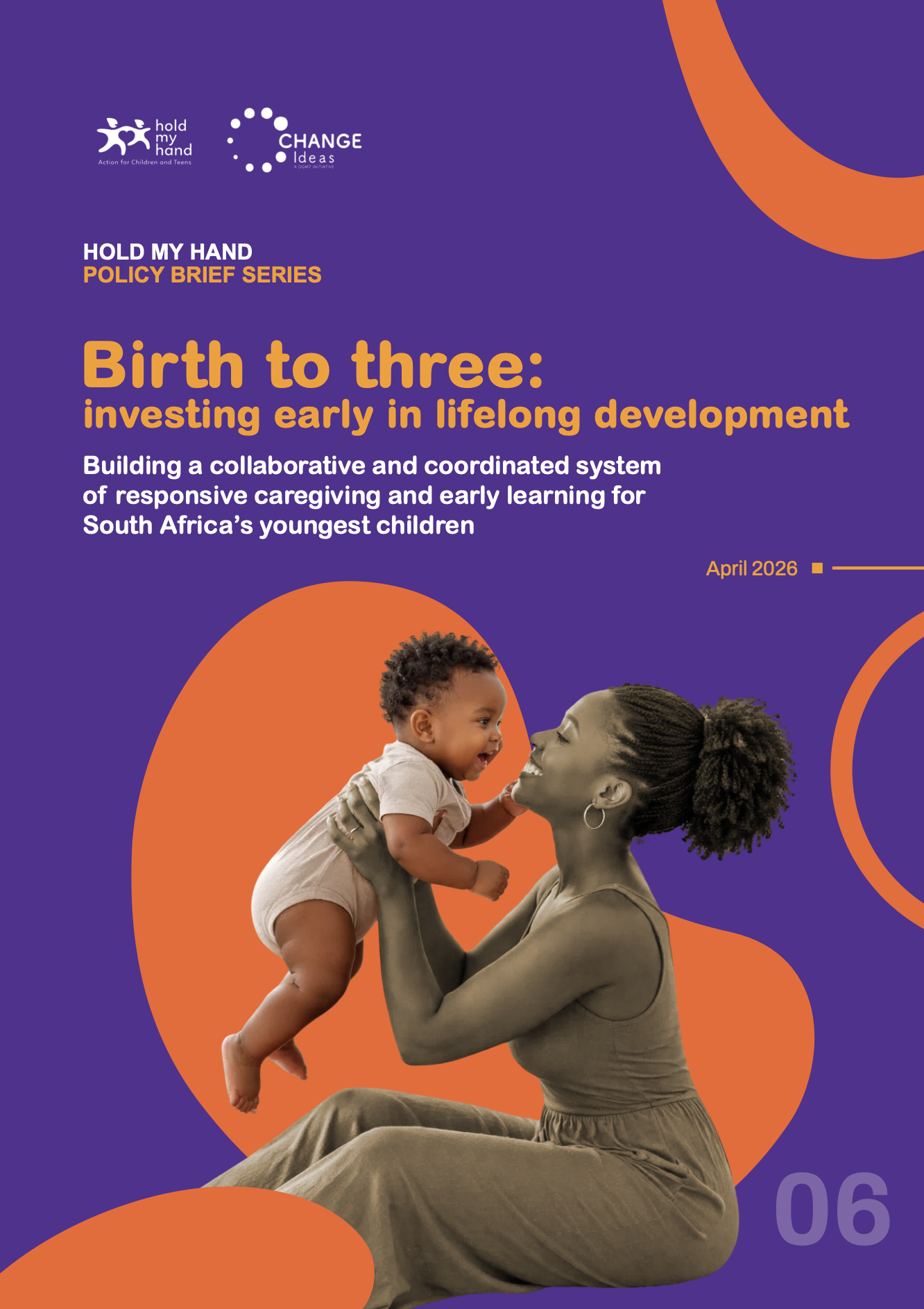
Birth to Three

Brain development is most rapid and sensitive between birth and age three. It's in this window that everyday moments, talking, playing, responding to a baby's cues, build the neural foundations for memory, attention and emotional regulation. Get this right, and you set a child up for life. Miss it, and developmental gaps become embedded long before they ever enter a classroom. The policy brief, Birth to three: Investing Early in Lifelong Development, makes the case for a national shift in how South Africa supports its youngest children. While real progress has been made in early learning for four and five-year-olds, the vast majority of the country's one million babies born each year receive their most critical developmental stimulation at home, often with very little structured support for their caregivers. The brief argues that the barrier isn't affordability but financing design. At an estimated R350 per caregiver, light-touch parenting support can be delivered nationally. What's missing is a dedicated financing mechanism and a coordinated strategy to reach families where they live. The question isn't whether South Africa can afford to invest in the first three years. It's whether we can afford not to.

Strengthen families and enable parents & caregivers to care for their children.
Grow children’s brain power through early learning & language development.
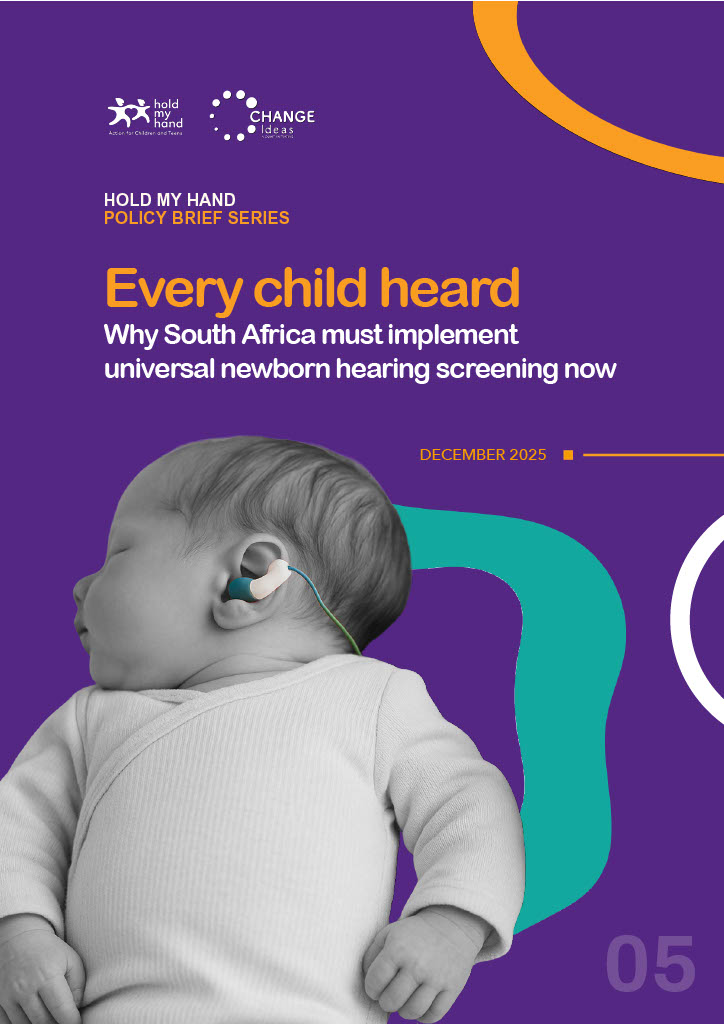
Every child heard: Why South Africa must implement universal newborn hearing screening now

Around 6 000 babies are born with hearing loss in South Africa every year, that’s about 17 every day. Yet fewer than 10% receive a hearing screening at birth, meaning many are only diagnosed years later, missing the critical window for brain development, learning and language. This policy brief shows why universal newborn hearing screening is urgent and achievable and also a smart, cost-effective investment in our country’s future. With the right support, South Africa can improve learning outcomes and build a more inclusive society where no child is left behind.

Prevent disability in children and give those with disabilities the same opportunities as others.

Closing the protection gap: The Case for a Maternal Support Grant

Too many mothers in South Africa are forced to go through pregnancy without the support they need and that puts both them and their babies at risk. The Maternal Support Grant (MSG) is a practical solution that could change this. It’s a proposed monthly cash grant starting from the second trimester of pregnancy, designed to support expecting mothers until their babies are old enough to receive the Child Support Grant.

Strengthen families and enable parents & caregivers to care for their children.
Reduce infant & child deaths.
Improve child nutrition.

Prevention of Alcohol Harms

Heavy drinking harms more than just the person drinking, it affects children and teenagers across South Africa. This policy brief explores how alcohol fuels violence, trauma, and neglect in homes and communities, and outlines the steps needed to protect young lives. It’s a call for urgent action to reduce alcohol harm and create safer, healthier spaces for children to grow and thrive.

Protect children & teens from all forms of abuse, violence, injuries and harmful substances.

Nourishing Mothers, Protecting Futures

Every day, 3 000 children are born in South Africa and their future health starts long before birth. Our latest policy brief explores how shifting from Iron and Folic Acid (IFA) to Multiple Micronutrient Supplementation (MMS) can transform maternal and child health. MMS is proven to reduce low birth weight, preterm births and stillbirths, and offers one of the best returns on investment in public health.

Strengthen families and enable parents & caregivers to care for their children.
Reduce infant & child deaths.
Improve child nutrition.

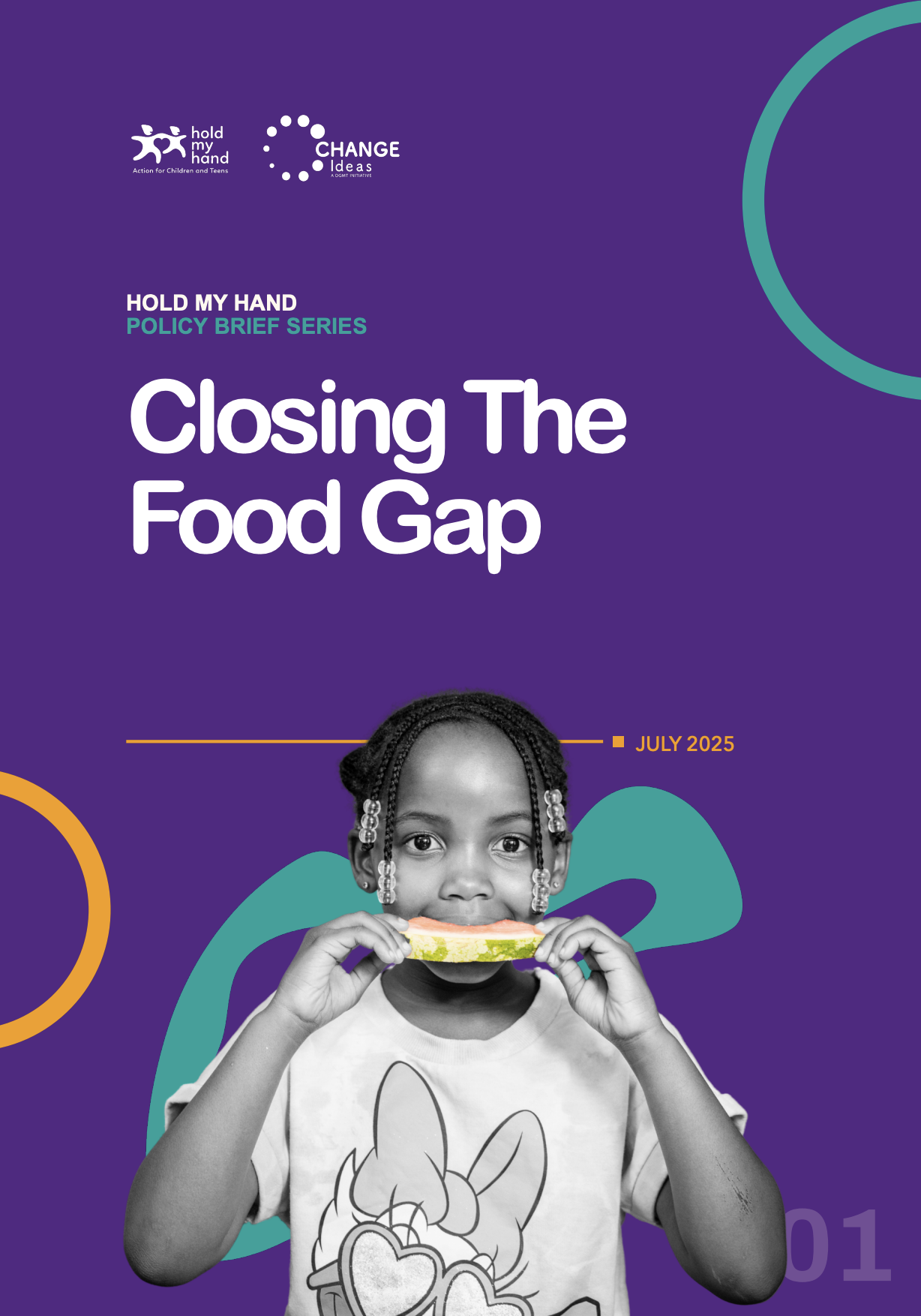
Closing The Food Gap

Every child in South Africa has the right to food. Yet, 1 in 3 children live in households that can’t meet their basic nutritional needs. That’s not just unfair, it’s dangerous.

Improve child nutrition.