Hold My Hand has officially launched the Brain Power Competition, inviting parents, caregivers, siblings, cousins, neighbours and community members across South Africa’s nine provinces to share the simple, everyday ways they are ‘wiring’ their children’s brains for lifelong success.
The competition is a direct response to the National Strategy for Accelerated Action for Children (NSAAC), which identifies growing children’s brain power through early learning and language development as one of ten urgent priorities to unlock the country's potential.
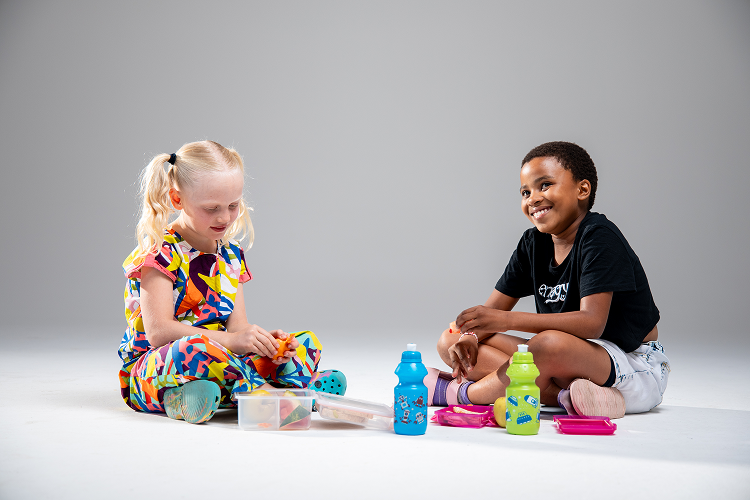
Science shows that 90% of brain development happens before age five. Through the Brain Power Competition, Hold My Hand seeks to highlight interactions, the simple acts of singing, storytelling, reading and playing that build the neural foundations for literacy and emotional intelligence.
"We often think of education as something that starts in a classroom at age seven, but the real architects of South Africa’s future are the mothers, gogos, fathers, and caregivers at home today," says Mesuli Kama social mobilisation lead for Hold My Hand. "This is about making the invisible work of caregiving visible to the entire nation."
The competition is open to all using all 12 official languages and accepts entries via WhatsApp (0600 411 111). Participants can submit a 30-second video, a voice note, or a photo with a short story showing how they build "Brain Power" through, for instance:
While the competition celebrates individual effort, the Hold My Hand Accelerator for Children and Teens remains focused also on the structural barriers facing caregivers and continues to advocate for policy shifts, to ensure every child has the ‘brain power’ and safety they need to thrive. These include closing the food gap so that every child has enough good nutrition with ample protein to grow their brains, and protecting children from alcohol-related harms noting that currently we have the high levels of foetal alcohol spectrum disorder due to alcohol exposure during pregnancy negatively impacting on brain development.
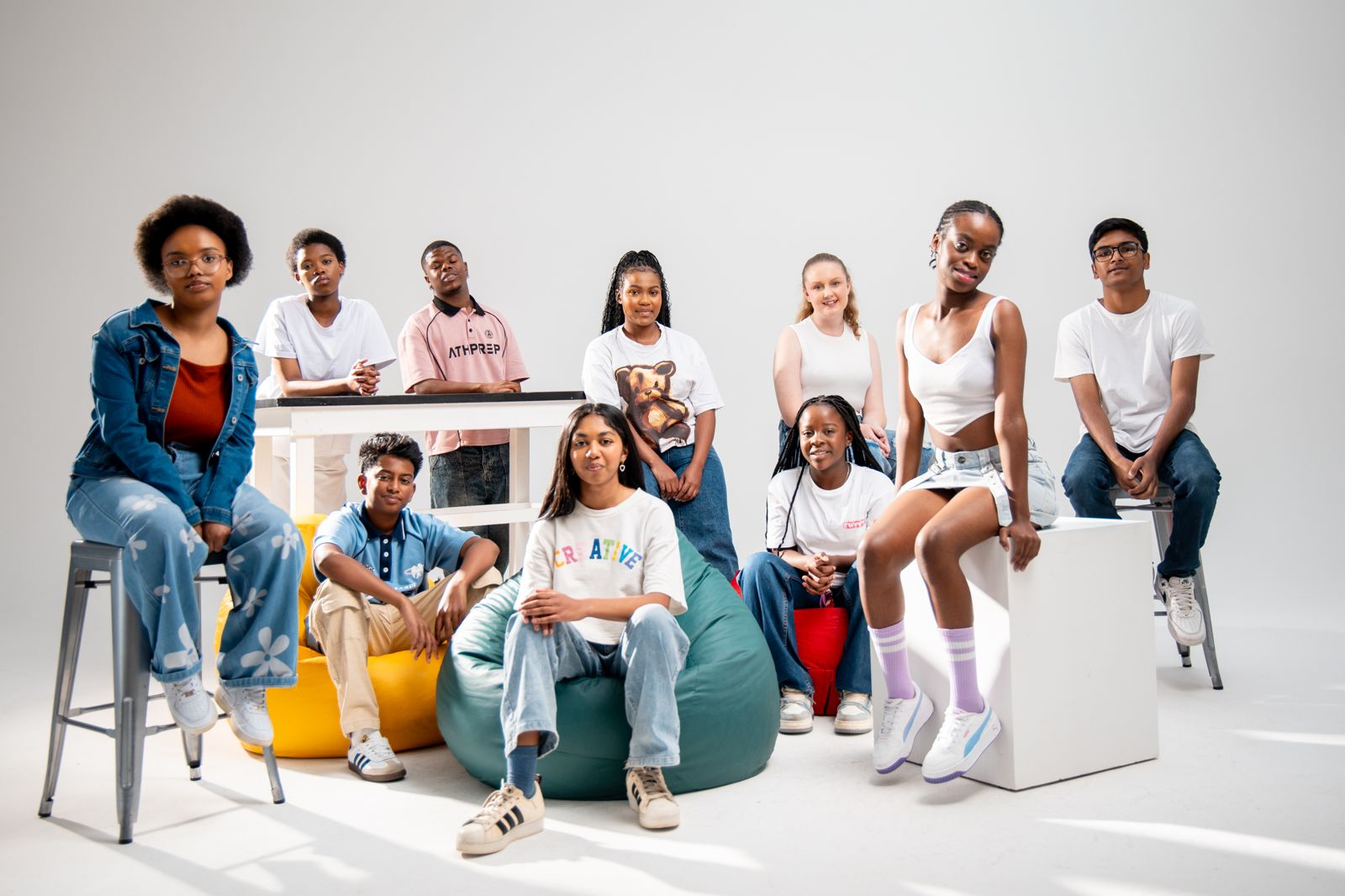
“Building brain power is something we all can do, even older siblings and extended family members,” says Mesuli Kama, “which is why we call for teenagers to also share their stories of what they do each day to grow their siblings and friends brains, because even through the brain development happens mostly in the early years we continue to create new neural pathways into adulthood.”
.png)
.png)


.png)